

Packaging lines rarely stay still for long. Products move fast. Orders change. Customer demands shift without much warning. That is why manufacturers keep looking for smarter ways to handle end-of-line packaging. Modern automation has changed what is possible. Instead of relying on manual loading and repetitive tasks, facilities now use advanced solutions that keep products moving with greater consistency. The result is a smoother workflow, better use of labour, and a production environment that can adapt more easily to changing business needs.

When Packaging Speed Starts To Matter
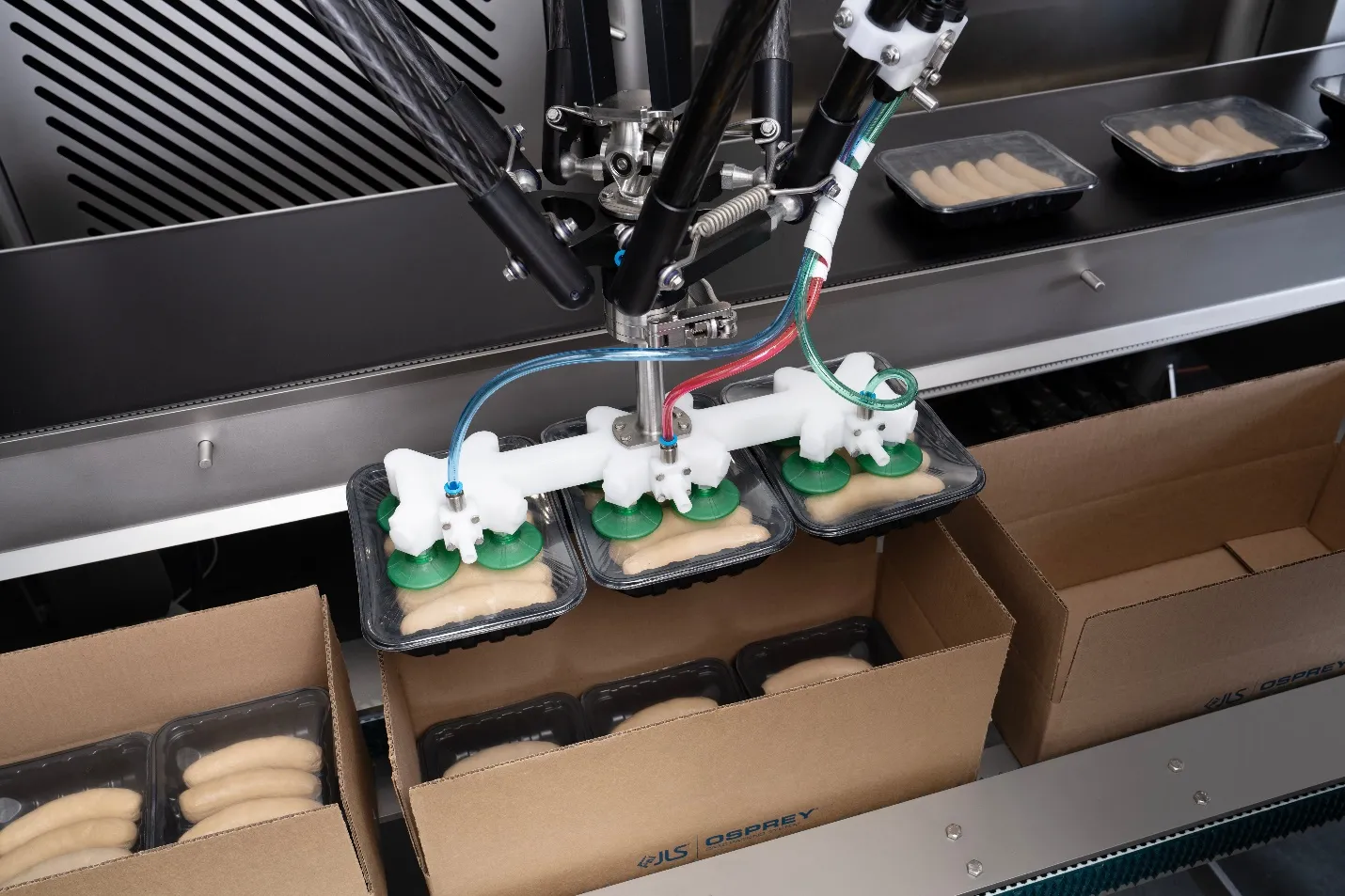
Growth often brings new challenges. A line that once handled daily production without trouble may begin showing signs of strain. Delays during packing can create backups that spread across the entire operation. This is where case packers become valuable. These systems organise products and place them into shipping cases with dependable accuracy. Small improvements in packing speed may seem minor at first, yet over weeks and months they can significantly increase overall output while reducing interruptions that affect productivity.
Reducing Repetitive Manual Tasks
Packing products by hand requires focus and physical effort throughout the workday. Repetition can slow workers down and increase the chance of mistakes. Automation helps remove much of that burden. Employees can spend more time monitoring quality, managing production flow, and supporting other important activities. It creates a workplace where resources are used more effectively. In many facilities, the shift from manual case loading to automated equipment has improved consistency while also helping teams maintain steady performance during longer production runs.
Designing Lines For Better Flow
Every production environment has its own pace. Some facilities process large volumes of identical products. Others switch formats throughout the day. Equipment must fit those demands without creating unnecessary complexity. Modern Case packing systems are designed with flexibility in mind. They can accommodate different package sizes, changing product arrangements, and varying production requirements. This adaptability allows manufacturers to respond more quickly to market needs while maintaining an organised flow from processing through final packaging and shipment.
Meeting Expectations With Precision
Retailers and distributors expect products to arrive neatly packed and ready for handling. Even small inconsistencies can create problems during transportation or storage. Automated packaging equipment helps maintain uniform placement inside each case. Products are arranged according to exact specifications, reducing the risk of damaged goods or uneven loads. Consistent packing also supports inventory management and warehouse efficiency. When products arrive in predictable formats, downstream operations can continue without unnecessary delays or corrections.
Preparing Facilities For Future Growth
Technology investments often focus on long-term goals rather than immediate gains alone. Companies planning future expansion need equipment capable of supporting higher production volumes as demand increases. Automated packing solutions provide a foundation for that growth. They help create scalable operations that can adapt without major disruptions. As production targets rise and customer expectations continue evolving, manufacturers benefit from systems that support efficiency today while remaining ready for tomorrow’s opportunities.
Conclusion
Efficient packaging supports every stage of product distribution. Automated solutions help businesses improve consistency, reduce bottlenecks, and create stronger production performance. As manufacturers continue seeking ways to enhance productivity, intelligent packing technology remains an important part of modern operations. Companies looking to strengthen packaging efficiency can explore advanced automation solutions and discover new ways to support long-term operational success.